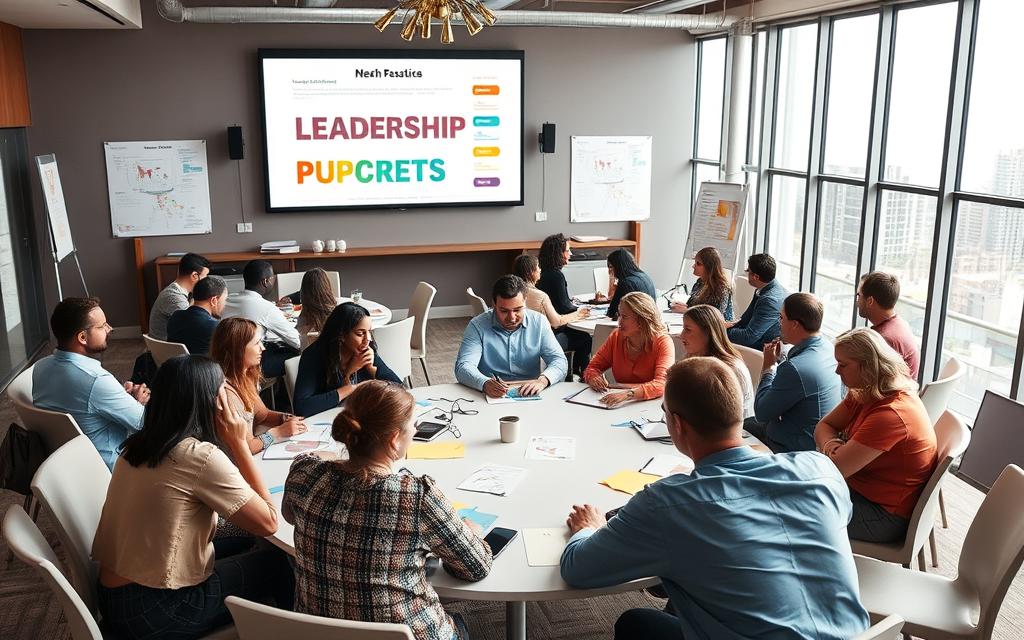
Establishing a robust leadership development program is essential for any organization aiming to foster effective leaders who can navigate the complexities of today’s business landscape. With companies investing over $14 billion annually in program building, the significance of a well-structured approach cannot be overstated. A successful leadership training initiative not only aligns with your organization’s values but also addresses its unique challenges and priorities.
As your organization evolves, especially during periods of rapid change, it’s crucial that your leadership development programs remain adaptable. This adaptability needs to emphasize continuous learning while integrating essential feedback mechanisms for participants. By focusing on these elements, you can create a dynamic culture that enhances both individual and organizational growth. Remember, the process of developing leaders is not just about improving business outcomes; it’s about enriching the culture of your organization and preparing adequately for the future.
Understanding the Importance of a Leadership Development Program
A leadership development program serves as a cornerstone for organizational success, particularly in promoting talent growth. Programs designed with specific objectives not only heighten employee engagement but also foster an environment where continuous learning thrives. By nurturing leadership capabilities within your workforce, you can create a more dynamic and productive organization.
Benefit of Talent Growth
Investing in talent growth through leadership programs leads to significant benefits. These initiatives improve productivity, instill better decision-making, and help in building cohesive teams. Organizations that prioritize leadership training find their employees displaying enhanced morale and retention rates, which ultimately contributes to a more positive work atmosphere.
Impact on Employee Engagement
Employee engagement sees a marked improvement when leadership development is prioritized. Research indicates that employees feel more valued when companies invest in their development. Customized training programs tailored to different leadership levels enhance the relevance of the content, making it easier for employees to connect and engage with the material. This, in turn, fosters a sense of belonging within the organization.
Creating a Culture of Continuous Learning
Establishing a culture of continuous learning is crucial for long-term success. Leadership development programs encourage this culture by emphasizing skills such as emotional intelligence, strategic thinking, and effective communication. Organizations that focus on these principles demonstrate their commitment to nurturing talent and fostering an environment where ongoing growth is not just encouraged but expected.
| Component | Description |
|---|---|
| Assessment | Identifying current leadership strengths and areas for growth. |
| Goal Setting | Defining clear objectives for both individual and organizational development. |
| Learning Activities | Engaging in various training modalities for diverse leadership levels. |
| Feedback | Collecting insights from team members and leaders to enhance skills. |
| Ongoing Support | Providing continuous evaluation and mentorship to sustain growth. |
Defining Your Business Priorities
Establishing clear business priorities is vital when you set up a leadership development program. These priorities should drive the selection of key business outcomes, ensuring they align seamlessly with the organization’s strategic objectives. By targeting specific performance outcomes, you create a more effective pathway for developing leaders who can propel your organization forward.
Selecting Key Business Outcomes
To begin, identify the key outcomes that your organization hopes to achieve. Whether it’s boosting revenue, enhancing customer satisfaction, or fostering innovation, each outcome must directly relate to your primary business priorities. For instance, if increasing revenue is a goal, your leadership development efforts should cultivate leaders capable of driving innovation and collaboration across teams. Statistics show that companies that focus on specific business outcomes often realize meaningful impacts on their financial statements.
Aligning Leadership Goals with Strategic Objectives
Ensuring alignment between leadership goals and your strategic objectives is essential for success. Organizations that embed transformation disciplines into their daily practices tend to see better performance outcomes. Consider the example of Cinépolis, a global theater chain that integrated its leadership development program with goals centered on innovation to achieve growth. This illustrates how thoughtful alignment of leadership development can support overall strategic aims, thus reducing attrition rates and boosting retention.
Assessing Current Leadership Skills
Evaluating current leadership skills plays a crucial role in developing an effective leadership development program. This process should begin by identifying specific strengths and gaps within your organization’s leadership. Utilizing various assessment methods can help uncover valuable insights that inform program design.
Identifying Strengths and Gaps
To effectively identify strengths and gaps, consider using tools such as surveys, performance evaluations, and personal assessments. Research shows that employers predict 44% of workplace skills will be disrupted in the next five years. Organizations should regularly assess their leadership skills and make necessary adjustments. Focus on two or three key performance outcomes for maximum impact. This targeted approach helps align leadership skills with emerging needs and ensures sustained growth.
Gathering Feedback from Multiple Sources
Collecting feedback from a diverse range of stakeholders will provide a comprehensive view of leadership capabilities. Mid-program feedback is particularly valuable as it identifies areas for course correction and measures engagement levels. Engaging managers, who can offer insights into skills, organizational obstacles, and engagement strategies, enhances this assessment process. Research indicates that while 85% of employees can recognize their own development needs, listening to supervisors creates a more balanced overview. Creating an open feedback culture fosters trust and encourages candid responses, making it easier for respondents to provide input.
Designing the Leadership Development Program
Creating a leadership development program requires thoughtful consideration of its overall program structure. A well-designed program ensures that participants at varying leadership levels engage in tailored learning experiences. This approach meets their specific needs and enhances their ability to lead effectively.
Structuring Learning Paths for Different Leadership Levels
To cultivate effective leaders, you must develop structured learning paths. These paths should align with the various stages of leadership within the organization. Incorporating elements such as:
- Skill enhancement through formal training and workshops
- Practical experience via on-the-job training
- Peer discussions and networking opportunities
This alignment maximizes the impact of your efforts. Different leadership roles require distinct competencies; a structured program addresses these unique demands while fostering continuous learning.
Incorporating Management Training and Mentorship
Integrating management training into your leadership development program is essential for nurturing personal growth. This element ensures that future leaders gain critical skills such as effective communication, strategic planning, and conflict resolution. Pairing management training with mentorship creates rich experiences for both new and seasoned leaders. Many successful leadership programs also emphasize:
- Active mentorship opportunities, which benefit 70% of Fortune 500 companies
- Microlearning strategies that enhance information retention and performance
- Regular feedback loops to assess growth and adapt training
This combined approach bolsters your program structure, fostering a supportive environment where leaders are encouraged to thrive. Tables can also provide a clear visualization of goals, responsibilities, and timelines for participants.
| Leadership Level | Key Skills | Training Methods |
|---|---|---|
| Emerging Leaders | Communication, Team Building | Workshops, Mentorship |
| Mid-Level Managers | Conflict Resolution, Strategic Planning | Coaching, Peer Learning |
| Senior Leaders | Visionary Leadership, Change Management | Executive Coaching, Retreats |
Through this structured approach and focus on management training and mentorship, your program can effectively contribute to creating a pipeline of skilled leaders, enhancing overall business outcomes.
Implementing the Program Effectively
Successful implementation of a leadership development program relies heavily on the involvement of senior leaders, who serve as mentors within this initiative. Their guidance provides essential insights and support, underscoring the program’s importance and creating a nurturing environment for emerging leaders. Emphasizing the role of senior leaders fosters a culture where learning is valued, further motivating participants to engage deeply in the process.
Engaging Senior Leaders as Mentors
When senior leaders actively participate in mentoring, it not only enhances the learning experience but also helps in building trust and communication across different levels of the organization. These leaders can share their experiences and expertise, instilling confidence in participants. This mentorship approach strengthens the relationship between leadership and emerging talents, allowing for a seamless transition of knowledge.
Choosing the Right Learning Formats
Selecting appropriate learning formats is critical. Consider a blend of various formats that cater to diverse learning preferences among participants. Blended learning approaches that incorporate both in-person and virtual experiences have been shown to yield effective outcomes. This flexibility allows participants to engage meaningfully at their convenience while ensuring comprehensive learning.
In addition to traditional workshops and seminars, integrating online courses and hands-on activities can enhance the learning journey. Continuously evaluating these formats based on participant feedback ensures the program remains relevant and effective over time. Tailoring the approach to the specific needs of the organization and its employees ensures maximized impact in developing leadership capabilities.
| Learning Format | Description | Benefits |
|---|---|---|
| In-Person Workshops | Interactive sessions led by experienced facilitators. | High engagement, networking opportunities. |
| Online Courses | Self-paced learning modules available on demand. | Flexibility, accessibility for remote employees. |
| Mentorship | One-on-one guidance from senior leaders. | Personalized support, knowledge transfer. |
| Hands-On Activities | Practical exercises that apply leadership concepts. | Real-world application, enhanced retention. |
| Feedback Sessions | Structured discussions to assess progress. | Continuous improvement, alignment with goals. |
Measuring Success and Impact
To truly gauge the effectiveness of your leadership development program, it’s essential to focus on establishing key performance indicators (KPIs). These KPIs should evaluate not only learner experiences but also how leadership training translates into on-the-job performance and overall business impact. For instance, tracking participant engagement, completion rates, and post-program performance can give you clear insights into your program’s success. By prioritizing these metrics, you ensure that your efforts align closely with organizational goals.
Establishing Key Performance Indicators (KPIs)
Organizations that are serious about measuring impact recognize that it’s not enough to only stop at Level 1 Evaluation, which focuses on participant reactions. To foster real behavioral change, you should aim to assess KPIs like productivity improvements, reduced turnover, and enhanced teamwork. For example, DDI’s leadership development programs have resulted in tangible business benefits, such as higher sales volumes and lower turnover rates, demonstrating the financial return on investment that can be achieved with a clear focus on behavioral outcomes.
Continuous Improvement through Feedback
Continuous improvement is the backbone of a successful leadership development initiative. It involves actively collecting feedback through various channels like surveys and interviews, enabling you to refine your approach based on qualitative and quantitative data. Collaborating with stakeholders ensures that you implement evaluation plans effectively to track your KPIs, paving the way for ongoing enhancements to your program. Remember, the commitment to improvement not only meets the demands of senior leaders for clear measures of success but also strengthens your overall organizational capability.