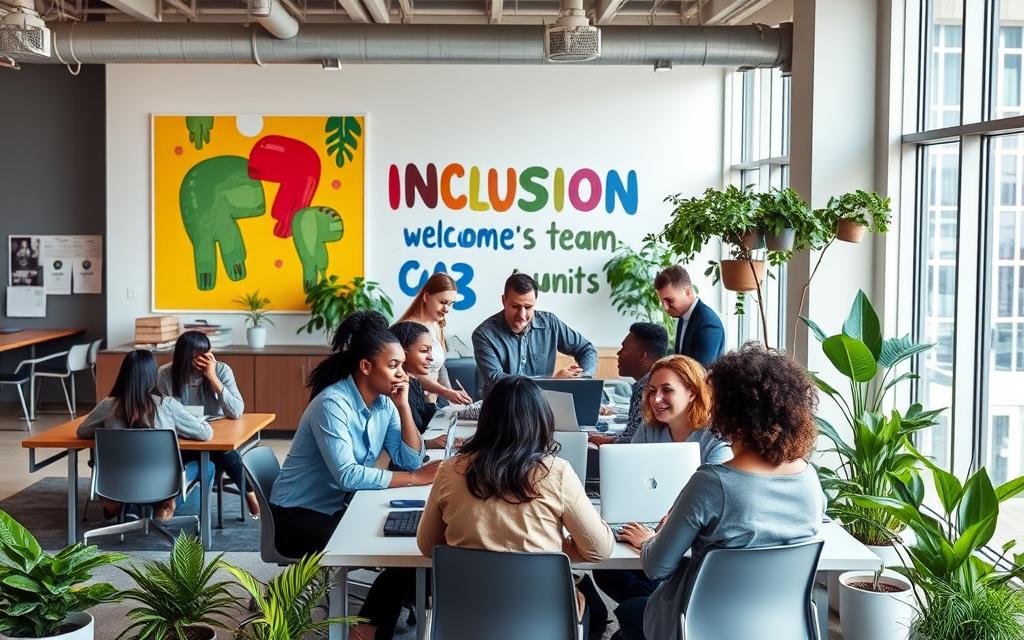
Diversity training programs are vital for fostering inclusive workplaces that recognize and respect the unique backgrounds of all employees. When you invest in effective employee education, you not only improve workplace diversity but also enhance productivity and job satisfaction. Research shows that organizations in the largest quartile for racial and ethnic diversity are 35% more likely to have financial returns surpassing their national industry medians, emphasizing how inclusion training can positively impact your business’s bottom line.
Creating an environment where everyone feels valued leads to happier employees, who are proven to achieve greater success—for example, happy salespeople sell 37% more. Moreover, diverse companies have been shown to experience considerably higher cash flow per employee. By structuring your diversity training programs thoughtfully and setting clear goals, you pave the way for long-term success and retention while fostering a supportive culture. As noted by Corey Bleich, effective diversity training has the power to enhance organizational effectiveness and strengthen leadership development.
Understanding the Importance of Diversity Training
Diversity training plays a crucial role in fostering an inclusive workplace. As organizations strive to create a culture of respect and acceptance, the benefits for employees and the organization itself become increasingly apparent. Well-structured diversity workshops and DEI training not only address workplace discrimination but also enhance employee satisfaction and productivity.
Benefits for Employees
Participating in diversity workshops leads to several significant advantages for employees. Enhanced social skills emerge as individuals develop greater cultural competency, allowing them to engage effectively with colleagues from diverse backgrounds. This growth fosters increased empathy, contributing to improved teamwork and collaboration. A welcoming environment encourages employees to voice their perspectives, enhancing overall job satisfaction. This positive atmosphere can significantly reduce turnover rates, as seen in statistics indicating that replacing an employee with an annual salary of $60,000 can cost organizations between $30,000 and $45,000.
Benefits for Organizations
Organizations that prioritize diversity training enjoy a multitude of advantages. Studies show that diverse companies often outperform their competitors in financial metrics, with a Harvard Business Review study demonstrating a 9% higher financial performance for more diverse organizations. Additionally, these organizations are ranked 19% higher in innovation. As workforce diversity continues to shape business strategies, evidence supports the notion that companies with robust diversity initiatives are better poised to succeed in competitive markets. Businesses that neglect to focus on diversity and inclusion may struggle, as companies in the bottom quartile for diversity may be 27% less likely to achieve above-par profitability. Engaging in DEI training not only empowers employees but drives organizational growth and market share expansion.
Diversity Training Programs Types
Diversity training programs are essential in fostering an inclusive work environment. They can be classified into various types that each serve a distinct purpose in promoting cultural awareness and skill development among employees. Understanding these diversity training types allows organizations to tailor their approach according to specific needs and goals.
Awareness-Based Training
Awareness training focuses on raising consciousness about diversity issues, emphasizing the significance of inclusivity. This type of training helps participants recognize and confront their unconscious biases. Engaging discussions challenge stereotypes and promote an environment of respect and empathy among coworkers. Consequently, awareness training is considered one of the most effective diversity training types for creating workplace equity and promoting positive relationships within teams.
Skill-Based Training
Skill-based diversity training emphasizes the development of interpersonal skills necessary for diverse teams to thrive. This training equips employees with the tools to enhance cross-cultural communication and collaboration. By addressing important topics such as unconscious bias, this type of training aids in fostering an inclusive and productive workplace environment. Intermediate diversity training often integrates these skill-building aspects to address employees’ real-world challenges effectively.
Cultural Awareness Workshops
Cultural awareness workshops provide in-depth insights into diverse cultural practices, norms, and values. Participants engage in activities that promote understanding and appreciation of their colleagues’ unique backgrounds. These workshops enhance awareness training and serve to cultivate a deeper respect and understanding among employees, ultimately benefiting the organization as a whole.
| Training Type | Focus Area | Key Benefits |
|---|---|---|
| Awareness-Based Training | Understanding bias and diversity issues | Promotes respect and challenges stereotypes |
| Skill-Based Training | Developing interpersonal communication | Aids cross-cultural collaboration and reduces bias |
| Cultural Awareness Workshops | Insights into cultural practices and values | Enhances respect and understanding among employees |
Key Components of Effective Diversity Training Programs
A successful diversity training program hinges on several critical components. Establishing clear objectives and goals provides a structured roadmap for the initiative. This approach ensures participants understand what is expected of them and promotes effective training outcomes. Clarity in training objectives encourages a focused learning journey, leading to more impactful results.
Clear Objectives and Goals
Defining specific training objectives enhances clarity and guides the overall design of the program. These objectives should align with the organization’s diversity goals, making it easier to measure success and track progress. A well-thought-out plan can lead to increased buy-in from employees and leadership alike.
Engagement and Interaction
Engagement and interaction during training sessions are vital for ensuring retention and understanding. Utilizing interactive learning methods such as group discussions, role-playing, and real-life scenarios fosters a more immersive experience. These techniques not only make learning more enjoyable but also promote deeper connections among participants. Such interactions can lead to a better appreciation of diversity and its importance in the workplace.
Inclusion of Diverse Perspectives
Incorporating diverse perspectives in training content allows participants to learn from one another and develop a well-rounded understanding of diversity’s significance. Training programs that showcase various viewpoints encourage dialogue and reflection, contributing to a more inclusive culture. Recognizing different perspectives builds empathy and understanding among colleagues, making the work environment more collaborative.
Best Practices for Implementing Diversity Training Programs
Implementing diversity training best practices is crucial for creating an inclusive workplace. Fostering an environment of ongoing education enhances employees’ awareness of diversity issues and strengthens interpersonal relationships. Regular and ongoing training sessions are essential to promote continuous learning and retention of diversity principles.
Regular and Ongoing Training
Ongoing education ensures that diversity training remains a vital part of your organizational culture. Standalone training sessions often lack impact, leading to a regression of learned concepts over time. Integrating these sessions into regular activities not only reaffirms their importance but also helps sustain employee engagement and comfort in discussing diversity. Organizations that commit to regular training often witness improved employee morale and increased satisfaction.
Support from Leadership
Leadership support plays a pivotal role in the successful implementation of diversity training. When executives actively participate and advocate for initiatives, it sets a tone that resonates throughout the organization. Strong visible commitment from leadership can inspire employees to embrace training and make diversity a priority. Aligning training with the company’s mission and values reinforces its significance within the broader organizational context.
Evaluation and Feedback Mechanisms
Establishing effective feedback systems helps organizations measure the impact of diversity training. Evaluations conducted before and after sessions can provide valuable insights into the effectiveness of the programs. These assessments assist in identifying areas requiring improvement, enabling continuous enhancement of training strategies. Implementing feedback mechanisms ensures that diversity training evolves to meet the changing needs of the organization and its employees.
Strategies for Enhancing Employee Education on Diversity
Enhancing employee education on diversity involves implementing innovative strategies that make the learning experience engaging and effective. Approaches like gamification, microlearning strategies, and real-life applications can significantly transform how individuals understand and navigate diversity in the workplace.
Utilizing Gamification Techniques
Incorporating gamification can promote teamwork and problem-solving among employees while making the learning process enjoyable. This method encourages participation and fosters a competitive yet collaborative environment. Employees can engage in challenges that simulate real workplace scenarios, breaking down barriers and fostering connections among individuals from diverse backgrounds. By utilizing gamification techniques, your organization can create a culture of continual learning and support for diversity-related initiatives.
Microlearning Approaches
Microlearning strategies offer flexibility by delivering training in small, digestible segments. This approach allows employees to engage with materials at their own pace and convenience, reducing the feeling of being overwhelmed. With microlearning, you can effectively cover essential topics in diversity through concise videos, quizzes, or interactive modules. Such methods cater to various learning styles and ensure that information retention is maximized, enhancing overall employee education on diversity.
Incorporating Real-Life Scenarios
Using real-life applications in training makes concepts tangible and relatable. Employees can analyze actual case studies or participate in role-playing exercises that reflect their daily interactions. This method cultivates practical insights and prepares individuals to apply learned concepts in their work environments. By incorporating real-life scenarios into your employee education programs, you empower your team to approach diversity with confidence and courage.
| Strategy | Description | Benefits |
|---|---|---|
| Gamification | Interactive learning through challenges and games. | Boosts engagement and encourages collaboration. |
| Microlearning | Short, focused segments of training materials. | Accommodates different schedules and enhances retention. |
| Real-Life Scenarios | Practical applications of training through case studies. | Increases relevance and cultivates confidence in navigating diversity. |
Common Challenges in Diversity Training and How to Overcome Them
Diversity training can significantly enhance workplace dynamics, yet organizations frequently encounter obstacles during implementation. Recognizing these challenges in diversity training is essential for creating an inclusive work environment. Adopting proactive measures can lead to successful outcomes and improved training effectiveness.
Resistance to Change
Resistance to change often arises in diverse workplaces. Employees may feel uncomfortable or threatened by new initiatives. To address this concern, organizations must communicate the benefits of diversity effectively. Establishing a culture that embraces change encourages participation and openness. Training leaders on how to engage employees can facilitate overcoming resistance and foster a positive environment for change.
Misinterpretation of Training Goals
Misinterpretation of training goals can create confusion and undermine commitment. Clearly defining training objectives is crucial for ensuring alignment among all employees. Utilize various forms of communication to convey the specific aims of diversity training. This approach reduces misunderstandings and enhances engagement by providing clarity on what to expect and how to contribute to the program.
Maintaining Engagement
Maintaining engagement is vital for the effectiveness of diversity training programs. A diverse workforce demands strategies that resonate with all participants. Incorporate interactive, hands-on methods to keep employees involved. Discussing real-life scenarios and sharing personal experiences encourages dialogue. Ongoing training and discussions about diversity must remain part of organizational culture to sustain enthusiasm and commitment.
| Challenge | Key Solution |
|---|---|
| Resistance to Change | Effective communication about benefits and a supportive culture |
| Misinterpretation of Training Goals | Clear definition and regular communication of objectives |
| Maintaining Engagement | Interactive training methods and real-life discussions |
Conclusion
Implementing effective diversity training programs is vital for fostering inclusion within your workplace. Nearly 85% of Fortune 500 companies recognize this importance, offering diversity training to cultivate an environment where every employee feels valued. By understanding the nuances of diversity training—from its benefits to the various types available—you can pave the way for a more harmonious and innovative workforce.
Despite some challenges, like maintaining engagement and measuring effectiveness, ongoing support from leadership can significantly enhance the outcomes of your training initiatives. It’s not enough to merely change attitudes; your programs must aim at transforming behaviors as well. This holistic approach ensures that the commitment to diversity permeates every aspect of your organization, leading to effective workplaces characterized by collaboration, creativity, and improved performance.
Ultimately, successful diversity training is an ongoing journey rather than a one-time event. By embedding these principles into your organizational structure and acknowledging the role of systemic changes, you can achieve sustainable results that foster a genuinely inclusive culture. In doing so, you not only boost employee satisfaction but also position your organization for success in today’s diverse business landscape.