
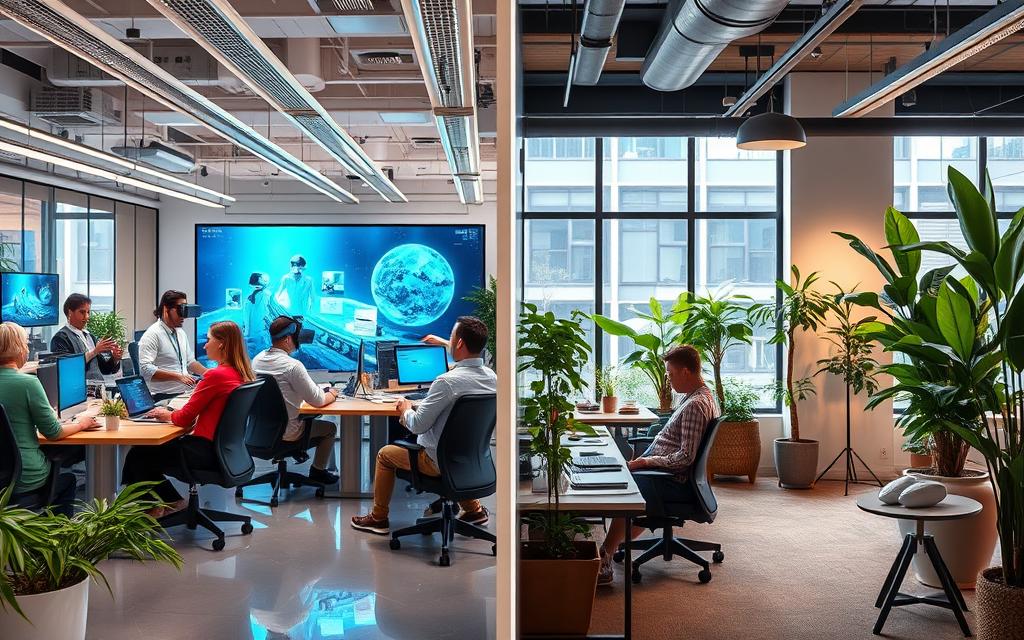
The future of employee engagement is becoming increasingly important to organizational success as we navigate a rapidly changing workplace landscape. With the influence of the COVID-19 pandemic and advancements in technology, understanding employee expectations in 2025 is more crucial than ever. One of the most significant trends in engagement centers on hybrid work models, as flexible work arrangements become a standard expectation rather than a perk. This shift not only offers improved work-life balance but also minimizes commuting stress.
Moreover, the integration of AI in the workplace is revolutionizing how companies invest in reskilling and development. Organizations focusing on these initiatives demonstrate a commitment to future-proofing their workforce and enhancing engagement. In parallel, well-being initiatives are on the rise, with a strong emphasis on comprehensive mental health programs, addressing the increased stress and burnout rates prevalent today.
As we move forward, embracing innovative strategies that focus on diversity, equity, and inclusion (DEI) will also play a vital role in shaping the future of employee engagement. Companies that recognize the value of diverse perspectives and foster inclusive environments are likely to see significant improvements in employee satisfaction and retention. It’s crucial for you to stay informed about these trends to cultivate a motivated workforce that thrives.
Hybrid Work Models: Adapting to New Norms
As the workforce transitions into a new era, hybrid work models have emerged as a key element in reshaping employee engagement. With 61% of employees working from home during the peak of the pandemic, organizations now recognize the lasting benefits of flexible work arrangements. The preference for these models is evident, as 53.1% of employees indicate a willingness to accept lower pay for more flexibility in their work settings.
Flexible Work Arrangements
Flexible work arrangements allow employees to choose when and where they work. Data shows that working from home has stabilized at around five times its pre-pandemic figure, with 28.1% of employees continuing to do so. This shift has decreased quit rates by 35%, demonstrating how adaptive policies can enhance retention. For companies, this transition can lead to cost savings on office space, which typically represents 10% to 20% of labor costs.
Digital Collaboration Tools
To facilitate remote engagement, businesses must invest in digital collaboration tools. Firms like Udemy have achieved impressive results, reaching 89% participation in virtual events using effective platforms like Epoch. This tool has helped teams reduce time spent managing events by over 70%, streamlining processes for better productivity. As studies reveal that over half of businesses plan to revise their work policies by 2025, adopting the right technology will be paramount for success in both hybrid and fully remote environments.
Culture Building in Virtual Spaces
Building a cohesive team culture remains essential, even in the digital sphere. Organizations are innovating by developing virtual social events that cultivate connections despite geographic barriers. Companies like Modus Create have effectively managed global event programs across multiple time zones, ensuring that employee engagement remains a priority. Adapting to hybrid work models requires continuous efforts to foster employee happiness and work-life balance, two significant factors driving remote work preferences.
AI and Personalization in Employee Experience
Artificial Intelligence (AI) is transforming the framework of employee engagement through the implementation of personalized engagement strategies. By leveraging AI-powered platforms, organizations can create tailored learning and development programs that align with individual career aspirations. This approach not only enhances engagement but also facilitates career growth opportunities, which employees increasingly expect from their employers.
Tailored Learning and Development
Customized career recommendations generated by AI can significantly improve employee performance and reduce turnover rates. Studies reveal that 63% of employees find that tailored training programs enhance their skill development. With the integration of AI in employee training, organizations can offer courses that match unique learning styles and career goals. Such personalized learning experiences foster an environment where employees feel valued and engaged.
Predictive Analytics and Employee Insights
Predictive analytics plays a crucial role in enhancing AI in employee engagement. By analyzing employee-related data, organizations can identify potential disengagement issues before they escalate. This proactive approach allows teams to administer timely interventions tailored to the employee’s needs. For example, AI can analyze patterns of high-performing employees to identify behaviors that contribute to a positive workplace culture. With predictive analytics, low morale can be detected early, enabling organizations to implement changes that uplift employee satisfaction and productivity.
Mental Health and Well-being Initiatives
Mental health initiatives have become essential as organizations recognize their role in fostering employee well-being. Implementing various well-being programs not only enhances workplace morale but also contributes to a healthier and more productive work environment. Companies are increasingly aware of the effects of stress and burnout on their employees, necessitating proactive approaches that address these challenges.
Holistic Wellness Programs
Holistic wellness programs integrate multiple facets of well-being into the workplace, focusing on physical, mental, and emotional health. These programs enable employees to access resources that support their overall wellness. Some essential components include:
- Stress management workshops
- Access to mental health professionals
- Mindfulness and relaxation sessions
- Nutrition and fitness initiatives
Such initiatives aim to create a balanced work environment that promotes productivity while reducing burnout and enhancing overall employee satisfaction.
Burnout Prevention Strategies
With research indicating that 77% of workers experience burnout, implementing effective burnout prevention strategies is crucial. Organizations can adopt several proactive measures to mitigate this issue:
- Regular check-ins with employees to discuss workloads and stress levels
- Flexible scheduling to accommodate personal needs
- Workload management tools to ensure tasks are balanced
- Encouraging a culture that values mental health and work-life balance
By prioritizing burnout prevention within their mental health initiatives, companies can significantly enhance employee engagement and reduce turnover costs.
Mental Health Days
Recognizing the importance of mental health, organizations are beginning to offer mental health days. These days allow employees to take time off without stigma, fostering a culture that emphasizes well-being. Research highlights that employees who feel their organizations support their mental health experience greater job satisfaction and productivity.
By embracing mental health days, organizations not only validate the experiences of their employees but also contribute to higher retention rates and lower costs associated with burnout. It is clear that comprehensive well-being programs are vital in the modern workplace, fostering an environment where employees can thrive.
Diversity, Equity, and Inclusion (DEI) in Workplaces
Diversity, equity, and inclusion (DEI) are not just buzzwords; they represent essential aspects of modern employee engagement strategies. Investing in DEI initiatives can lead to substantial benefits for organizations, including improved culture and increased employee satisfaction. Key components of these initiatives include inclusive leadership training and the formation of employee resource groups.
Inclusive Leadership Training
Training in inclusive leadership equips leaders with vital skills to create a workplace where everyone feels valued and heard. Leaders learn to foster equity and understanding among team members. Research emphasizes that organizations with inclusive practices can observe a 30% increase in employee satisfaction and morale. When leaders prioritize DEI, they position their companies for higher engagement, ultimately reducing turnover rates by 22%.
Employee Resource Groups
Employee resource groups play a crucial role in fostering an inclusive work environment. These groups provide support and advocacy for underrepresented individuals, amplifying their voices within the organization. Companies like Salesforce have successfully leveraged ERGs to enhance workforce diversity and meet specific targets. A diverse workforce is increasingly appealing; 67% of job seekers consider workplace diversity an important factor when evaluating potential employers. When employees feel a sense of belonging within these groups, they are 56% more likely to perform at their best.
Future of Employee Engagement: Innovative Strategies
The landscape of the future of employee engagement revolves around embracing innovative strategies that leverage data-driven approaches. Companies recognize that engagement is not a one-time effort but an ongoing process requiring adaptability to changes in workforce preferences and market dynamics. With the adoption of data-driven strategies, organizations can gain insights into employee sentiments, crucial for fostering a thriving workplace culture.
Data-Driven Engagement Methods
Organizations today are shifting towards a more analytical approach to employee engagement. By utilizing continuous feedback mechanisms and advanced analytics, companies can measure key productivity metrics such as output per employee and revenue generation. Techniques like pulse surveys allow HR professionals to assess engagement levels in real time, identifying support gaps swiftly. Companies implementing these data-driven strategies see significant improvements in engagement; in fact, companies with highly engaged workforces outperform their peers by 147% in earnings per share.
Continuous Feedback Mechanisms
Continuous feedback plays a significant role in the future of employee engagement. Organizations are moving away from traditional annual evaluations to more dynamic feedback systems that promote open communication and collaborative growth. Regular virtual check-ins foster team cohesion, particularly in remote working environments where engagement can wane. Companies that prioritize personalized communication strategies witness improved employee satisfaction, as these approaches help address individual needs effectively.
| Strategy | Benefits |
|---|---|
| Data Analytics | Identifies engagement levels; informs decision-making. |
| Continuous Feedback | Enhances communication; builds trust within teams. |
| Gamification | Increases motivation; drives participation through rewards. |
| Personalized Programs | Meets individual employee needs; boosts satisfaction. |
| VR and AR Training | Promotes engagement; fosters teamwork through immersive experiences. |
Conclusion
As we navigate the future of work, it’s evident that employee engagement trends are undergoing significant transformation. Companies that embrace hybrid work models will find new opportunities to enhance collaboration and adaptability. Balancing flexibility with the integration of AI for personalized employee experiences will ensure that organizations not only attract but also retain valuable talent. Prioritizing mental health initiatives and fostering a diverse workplace culture will create environments where employees feel valued and understood.
It’s important to recognize that you are not alone in feeling the impact of disengagement issues. Recent statistics show that employee engagement in the U.S. has hit an 11-year low, highlighting a pressing need for organizations to pivot their approaches. Efforts to enhance transparency about career opportunities—like those seen at L’Oréal—can improve employee satisfaction significantly. When employees feel listened to and engaged in discussions about the future of work, they are more likely to thrive, as evidenced by those thriving employees being twice as likely to express their opinions.
Fostering a positive workplace culture requires a commitment to understanding employee needs and responding with actionable feedback. By implementing technology for social learning and creating spaces for continuous engagement, organizations can turn the tide on disengagement. Moving forward, investing in strategies that prioritize active listening and responsive performance management will be essential in crafting a sustainable and thriving workplace culture.


